Integrated property services · London & South East

Planned Maintenance

Planned maintenance. Connected works.

Planned maintenance for buildings, blocks and portfolios, bringing cyclical maintenance, preparation, repairs and improvement works into a coordinated programme.

Windows and brickwork on a residential block in London
The Corsac approachCondition-led programmes for buildings that stay in use.

Care today. Better decisions tomorrow.

Property clients & contractor partners
London & the South East

The starting point

What planned maintenance can bring together.

Planned maintenance starts with understanding the asset. Condition, existing defects, previous repairs and the way a building is used all help determine what should be addressed and in what order. Our property maintenance coverage includes London, Surrey, Hampshire and Berkshire. Site suitability and mobilisation are agreed against the scope and programme.

Corsac supports defined maintenance packages for housing providers, managing agents, commercial property teams and principal contractors. The aim is to bring the relevant workstreams together with a clear scope, practical sequencing and agreed completion requirements.

Explore the scope

What a planned package can bring together.

Each programme is shaped by the property, the specification and the responsibilities agreed with the client.

01Condition-led repairs

Address the repair work identified within the agreed scope, including preparation needed before finishes or other planned activities.

02Cyclical decorations

Internal, external and communal-area decorations coordinated with surface preparation, local repairs and the chosen finish.

03Roofing & building fabric

Roof, roofline and external-fabric requirements considered with access, weather-sensitive work and the wider programme.

04Shared areas & portfolios

Phased works around communal spaces or across a group of properties, with access and communications planned for each location.

01 / Condition and priorities

Plan the work that the building actually needs.

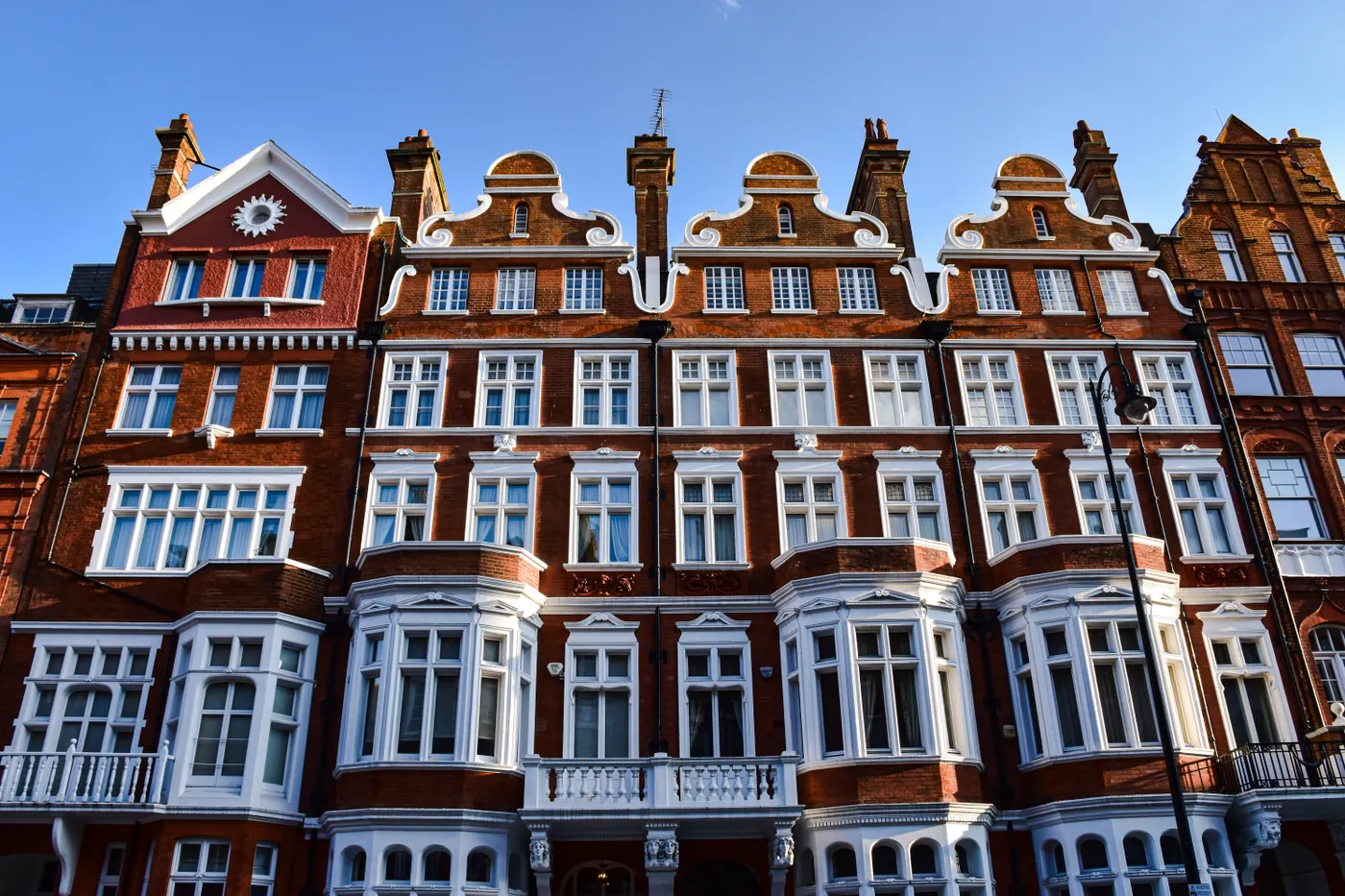
Red brick residential building with bay windows in London

Planned property maintenance begins with understanding the asset and the reasons for intervening. A survey may identify deterioration, a client may have a cyclical programme, or repeated repairs may suggest that a broader package should be considered. Bringing those sources together creates a stronger starting point than a list of isolated tasks. The brief should distinguish immediate concerns, planned improvements and items that require further professional assessment.

For housing providers and managing agents, the information often sits across several records: previous works, resident reports, inspection notes and the current maintenance plan. A useful scope connects those records to identifiable locations. It should be possible to understand which building, elevation, room or communal area an item relates to and what outcome the client expects. Photographs can support that description, but they should not replace a clear written requirement.

The programme also needs to reflect practical priorities. Some work may depend on another repair being complete; some may need seasonal or access considerations. Those relationships should be discussed before dates are presented as fixed. The aim is a maintenance package grounded in the condition and use of the property.

Turn the perspective

There is more behind the work.

Explore the questions behind a well-planned appointment. Turn each panel to look at the detail.

01 / A closer look

The calendar says it is due.

The condition of the property should still shape the work. Turn for the planning question.

Condition before assumption

A maintenance cycle provides a useful framework, but it does not replace an assessment of what is actually needed. Compare the planned items with current condition, recent repairs and any changed use of the building. That review helps distinguish work that remains appropriate from items needing a revised scope or further investigation.

02 / A closer look

The access window is limited.

Several tasks may need the same area. Their order matters.

Coordinate the sequence

If repairs, preparation and decoration share an access window, their dependencies need to be visible in the programme. Consider what must be complete before another activity starts, which materials need lead time and how residents will be informed. A combined visit only helps when the work can be completed properly within it.

03 / A closer look

The programme covers many sites.

Consistency comes from a clear method of recording differences.

A programme with context

A portfolio may contain repeated building types without identical conditions. A location-based schedule should show the common specification and the exceptions at each site. Agree how those differences will be reviewed, approved and recorded, so a repeated programme remains responsive to the property rather than treating every address as interchangeable.

02 / Connected work

Repairs, preparation and finishes belong in the same conversation.

Painted residential facade and sash windows in London

A maintenance programme can bring together tasks that would otherwise be treated separately. Preparation and decorations may depend on local repairs. External finishes may need attention to the rainwater goods or adjoining fabric. Communal areas may require a sequence that keeps the building usable while work moves through different locations. Considering these relationships early helps define the complete work package and the points where other input is required.

The specification should make the intended finish and preparation requirements clear. It should also identify the limits of the appointment. If an underlying defect is discovered, the team needs a route to describe it, assess its implications and obtain the appropriate instruction. Proceeding on an assumption can leave the client with a finish that conceals an unresolved issue or a record that does not reflect what was actually done.

For principal contractors, planned maintenance packages must fit the wider delivery structure. Site rules, reporting formats, inspection points and interfaces with other trades should be established alongside the physical scope. A well-defined package makes responsibilities visible and gives the delivery team a practical basis for managing changes.

Balconies and facades of modern residential buildings in London

Occupied-property planning

A timetable that considers everyday use.

Residents, staff and other building users need to understand how planned work will affect them. Appointment arrangements, shared routes, working areas and updates should be part of the programme.

Where several trades are involved, the sequence needs to account for preparation, drying or curing periods, access changes and inspections before the next activity begins.

03 / Working in occupied places

A programme people can understand.

Two construction professionals reviewing documents on site

Maintenance works may be planned months ahead, but residents and building users experience them day by day. The communication should translate the programme into practical information: which area is affected, what access is needed, what arrangements are changing and who to speak to if a problem arises. A technical schedule alone rarely answers those questions clearly enough.

The client and delivery team should agree responsibilities for notices, appointments and updates. If a planned visit changes, the revised information needs to reach the right people before the original expectation causes inconvenience. Arrangements for keys, escorts or controlled access should also be explicit. Where someone has an accessibility or communication requirement, that should be considered through the appropriate client contact without circulating unnecessary personal information.

Occupied communal areas need particular attention to the relationship between work and movement. The location of materials, working zones and temporary restrictions should fit the agreed site arrangements. A practical programme allows for those realities, rather than assuming the building becomes an empty worksite for the duration of the appointment.


04 / Managing a programme

Keep progress useful, specific and visible.

Building plans and appointment documents beside a safety helmet

Progress reporting should help the client understand the actual position of the programme. A percentage alone may not explain which locations are complete, what is holding up the next stage or which decisions are needed. Agree a reporting approach that links progress to the work schedule and identifies exceptions clearly. This is especially useful when several buildings, phases or trades are involved.

Changes should be recorded with enough context for an informed decision. Identify the location, the condition encountered, the proposed response and any effect on the planned sequence. The person with authority to approve the change should be clear from the outset. That discipline helps keep the commercial record, the work on site and the client’s expectations aligned.

At completion, the handover should distinguish finished items, agreed exclusions and outstanding actions. Any product information, photographs or other records should follow the format established for the programme. Those records can then support future maintenance planning, giving the client a clearer understanding of what has been addressed and where further attention may be needed.

The delivery journey

From the first brief to a useful handover.

01Review

Bring together the brief, available condition information and client priorities.

02Package

Define work boundaries, dependencies, access and reporting requirements.

03Phase

Agree a practical sequence around occupied spaces and other activities.

04Close out

Record completed work, snagging and the information needed for the next maintenance cycle.

A little more detail

Questions worth asking.

Can planned work cover several properties?

Yes. A portfolio package can be organised into defined locations and phases. The brief should identify property information, access arrangements and the priorities for each site.

How does planned maintenance differ from a repair enquiry?

Planned work is organised around an agreed programme or cycle. A repair enquiry focuses on a particular defect, although the investigation may identify related work that belongs in a future programme.

Can Corsac work within a principal contractor’s programme?

Yes. Package boundaries, programme interfaces, reporting and completion requirements are agreed around the wider contract.

Can planned maintenance include internal and external work?

Yes, the appointment can be defined around internal rooms, communal areas, external fabric or a combination of locations. The key is to establish the specification and connections between activities. Access, occupancy and any specialist requirements should be considered before combining different items into one programme.

How should we prepare a portfolio enquiry?

Provide the locations, building types, available condition information and an outline of the proposed programme. Identify repeated items and known exceptions. Tell us how the client intends to approve changes, communicate with residents and receive completion records, so the package can be discussed in the context of the wider portfolio.

What if conditions differ from the original schedule?

The appointment should include a clear process for recording and reviewing differences. A revised condition may affect preparation, quantities, sequence or another trade. The appropriate response should be agreed through the client’s instruction process and reflected in the records, rather than being absorbed into an undocumented assumption.

Scroll to Top